The Christmas Apple

Generations back when winter decided what you ate and when you ate it, Christmas didn’t show up wrapped in paper or stacked in boxes. It showed up after a long year, the kind that left marks on your hands and opinions on your face.
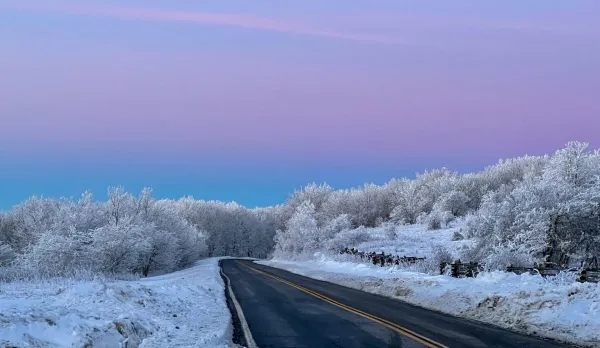
In the mountains of Kentucky, Virginia, and West Virginia, late December wasn’t about guessing. By then, folks knew exactly what they had left. Smokehouse thinning. Cellar picked over. Flour bin telling the truth. Winter had a way of making liars out of optimists.
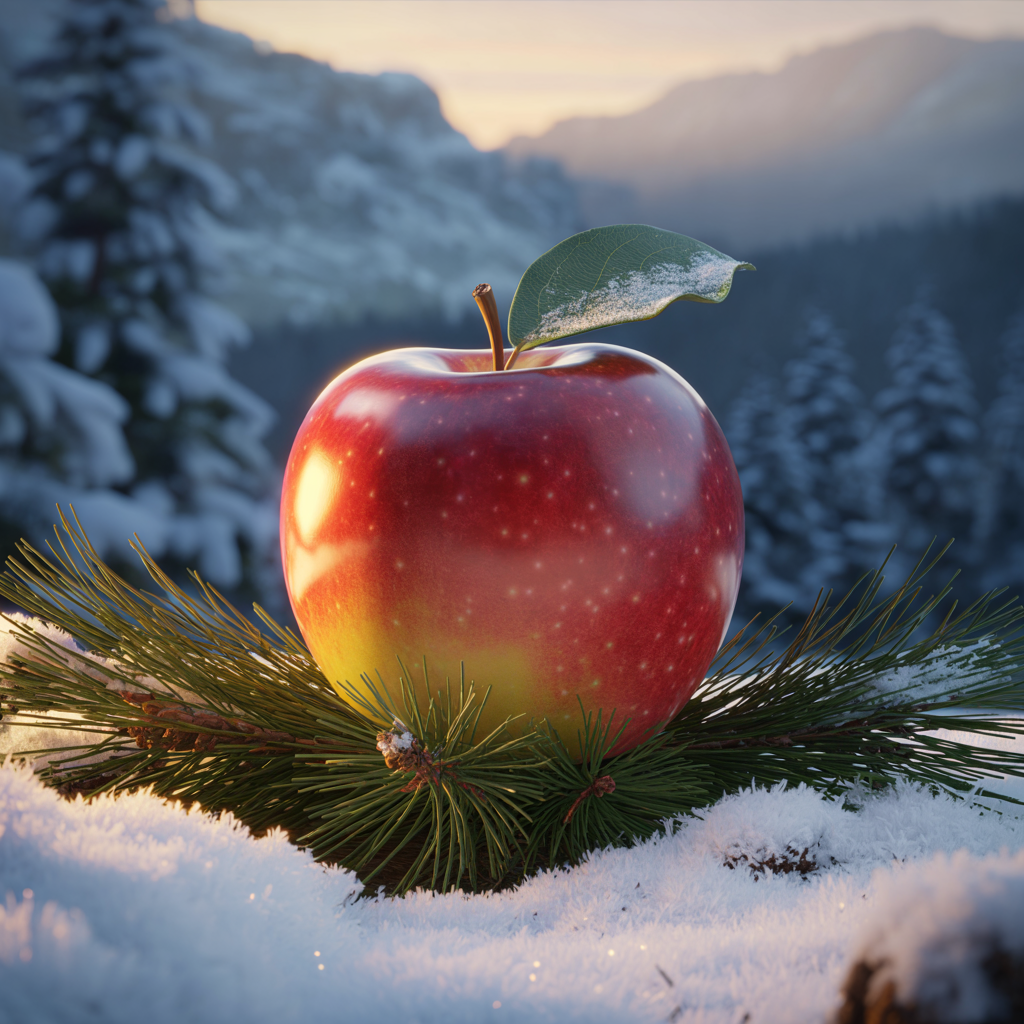
And sometimes, if you were careful and a little lucky, there was still one apple.
Just one.
That’s where the old story comes in. Great-grandparents told it plain, usually while doing something else, like shelling beans or fixing a chair that didn’t really need fixing. They didn’t dress it up. They just said, That’s the Christmas Apple, and expected you to listen.
Apples mattered once frost set in. You didn’t run to the store for fruit. There wasn’t a store, and if there had been, nobody had the money. Apples got checked, turned, sniffed, and watched like they might try something. A bad apple didn’t just spoil itself. It spoiled supper and your mood along with it.
If a family managed to keep one apple sound all the way to Christmas Day, folks said it meant something. It meant the year hadn’t whipped you. It meant you planned ahead. It meant next year might loosen its grip a little, or at least give you a fighting chance.
But there was a rule, and this is where kids usually stopped liking the story.
You didn’t eat it.
That apple wasn’t for pie. Wasn’t for kids. Wasn’t for company, no matter how long they stayed. It wasn’t even for the family that kept it, no matter how many times they walked past and looked at it.
You gave it away.
To a widow down the road. To a neighbor laid up with sickness or a bad back. To a family whose cellar came up short and whose pride came up long. Somebody who needed proof that winter wasn’t winning everywhere all at once.
One apple. Carried across a cold yard. Handed over without a speech, because speeches make folks nervous and nobody asked for one.
Kids didn’t care for that part. An apple on Christmas felt like a miracle when candy was scarce and oranges only showed up if somebody drove a long way. Parents didn’t argue about it. They just said, That’s how it’s done, and tied their boots.
Mountain folks understood that kind of math. You didn’t hoard luck. You passed it along before it turned on you. You didn’t tempt fate by clutching the one good thing that made it through the storm.
Because the apple wasn’t really about food.
It was about memory.
That apple carried hopes of spring with it. Blossom days. Bees working like they had somewhere important to be. Green leaves you didn’t have to imagine. It said winter ends. It said hard years don’t get the last word, no matter how much they talk.
Some families believed giving the apple away sealed the blessing. Keep it and eat it, and you were asking for trouble. Share it, and next year’s trees would bear heavy. Mountain logic. It didn’t explain itself and didn’t need to.
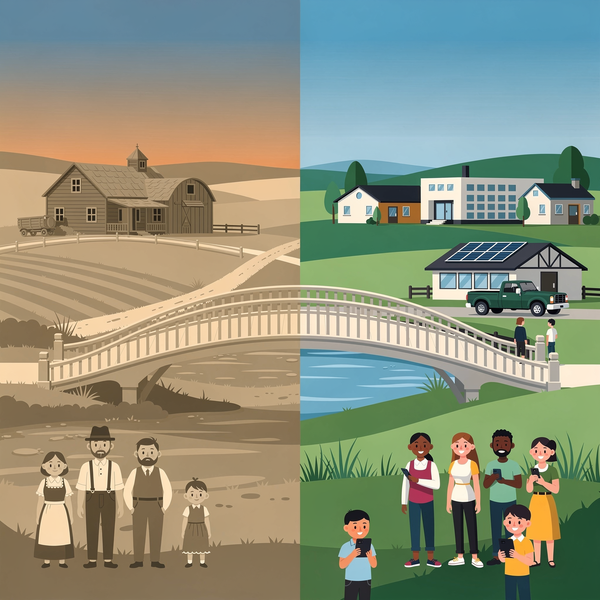
Over time, the story faded out. Stores filled up. Apples showed up year round, shiny and forgettable. The rule slipped away. The meaning wandered off and nobody chased it.
But every once in a while, you still hear it.
An older woman talking about her mother like she just stepped outside. A old man remembering a Christmas when the gift wasn’t wrapped and still counted. Somebody saying, We didn’t have much, but we had that apple, and meaning more than they say.
That one apple that made it through frost and winter storm and hunger. That one apple that didn’t get eaten. That one apple that said we’re still here and not done yet.
And now you know a story from the Back Forty.
Merry Christmas from the Rural Route Newsletter!
Be curious, not judgmental. - John W. Peace II
The Christmas Apple was initially published in Rural Route Newsletter. It is reprinted here with the author's permission.