The Bridge Generation
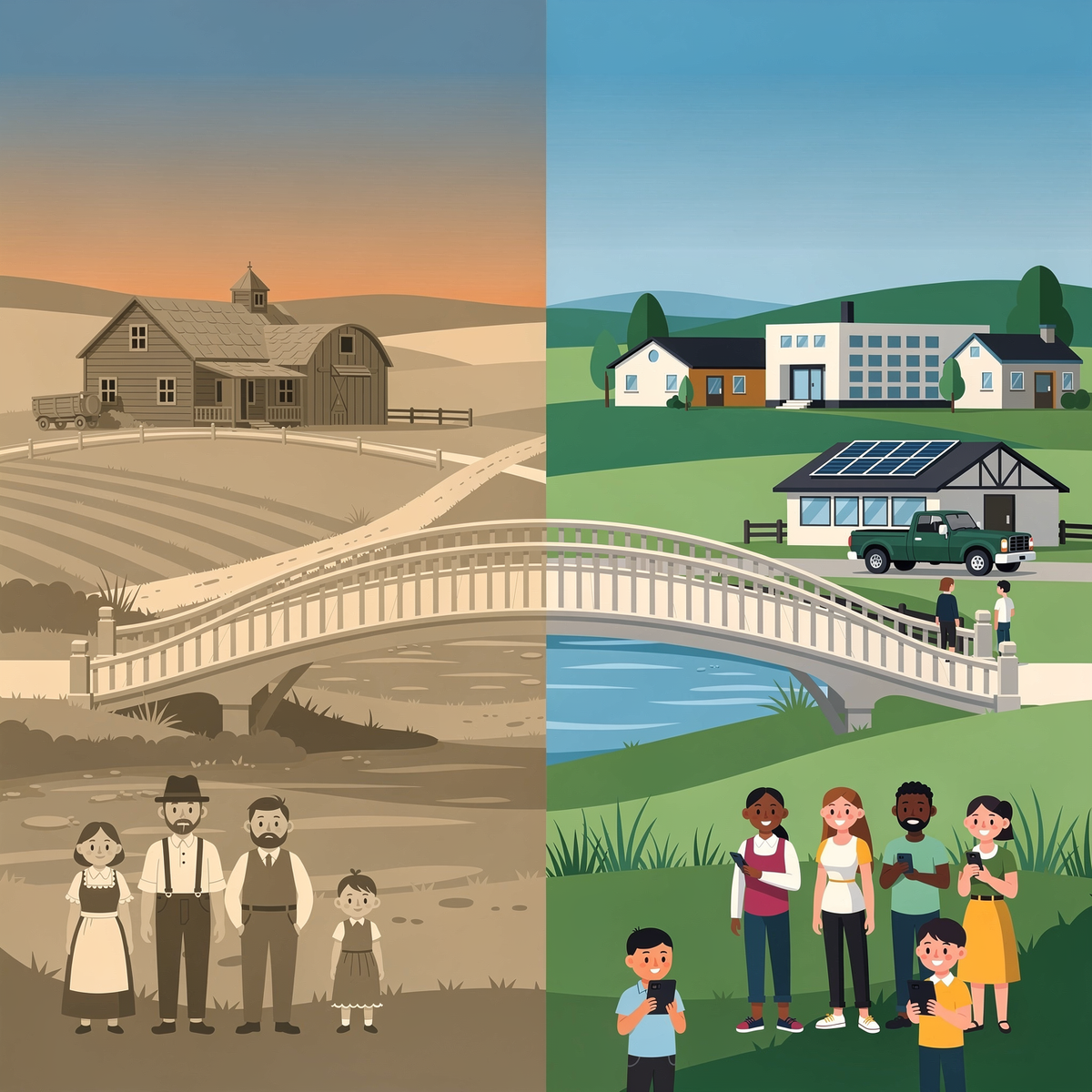
The first time I remember hearing the phrase ‘Bridge Generation’ was from my occasional cohost on The Rural Route Review podcast, Sara-June from The Neighborly. When she said 'bridge generation', I finally found the right phrase for a feeling about being raised in a different time period than the calendar on my birth certificate would suggest. I told her I had been called Generation X my whole life, which sounded fine until I thought about who actually did most of my raisin’.
But if you were raised by people two to three generations older, you did not grow up fully in your own era. You grew up in theirs too. That is the bridge.
For me, that would be my grandfather, a WWII, B-17 Bomber pilot in the United States Army Air Forces, part of what folks call the Greatest Generation. The man could fix anything with a motor and most things without one on our family dairy farm. Then there was my great grandmother Julie Galloway, born in 1897 and lived til 1995, part of the Lost Generation. She came into a world similar to the tv series ‘Little House on the Prairie’, lit by kerosene and left one where you could order a book from Amazon.
People like to debate generational labels, but here is the plainspoken version. The Lost Generation grew up around World War I and into the early 1900s, watching the world industrialize at a pace that made yesterday look ancient. Their average life expectancy at birth hovered around the mid to high forties. About forty seven years old counted as a full run for many folks, mostly because so many babies and children never made it to adulthood. The Greatest Generation survived the Great Depression, then went off to fight World War II and came home to build roads, factories, and the American middle class. Generation X grew up with Baby-Boomer parents, with color television, Cold War worries, and a house key on a shoestring because both parents were working.
But if you were raised by people two to three generations older, you did not grow up fully in your own era. You grew up in theirs too. That is the bridge.
My great grandmother was born when rural Southwest Virginia still ran on muscle. Horse muscle, mule muscle, human muscle. She remembered when a wagon was transportation and a trip to town took planning. She lived long enough to see electricity come to the hollers, blacktop cover dirt roads, men walk on the moon, and brown trucks drop off packages like the future had finally figured out her address.
She told stories about life before modern medicine, when a fever could turn deadly and a simple cut could go bad in a hurry. When she was young, people did not talk about living to be eighty. They hoped to make it past fifty. If you reached old age, folks treated you like you had beaten the odds and maybe borrowed a little extra time.
She was a widow before I was born. My great grandfather had been a small farmer, a coal miner, and a weekend Free Will Baptist preacher. Coal paid the bills and likely paid him back with cancer. That was a trade many mountain families made. Years off the end in exchange for food on the table right now.
She knew old men who had fought in the Civil War. Not read about it in a book. Knew them. Sat on porches with them. Heard them talk about marching, mud, and friends who never came home. That kind of memory will change how you think about the word ‘history’.
I remember one afternoon as a small child, she was listening to the country music singer Charley Pride (favorite singer) on her kitchen radio. She smiled and said she would marry that man just to hear him sing around the house. I laughed and told her she could not do that because it was illegal to marry him.
And it was, literally. In Virginia interracial marriage was banned until the Supreme Court case Loving v. Virginia struck those laws down in 1967. She had lived most of her life in a world where the government told grown adults who they could love and marry. When the law finally changed, she just shook her head like the rest of the country was late figuring it out.
She never learned to drive a car. She could have. She just did not see the need. But I do remember riding with my grandfather in 1974 to take her to the bank so she could open her own checking account. Her United Mine Workers pension was coming in and she wanted it in her name. Before the Equal Credit Opportunity Act, banks would require women to have a male cosigner, which was her son, my grandfather after my great grandfather had passed. Imagine living nearly eighty years before the law decided you might be capable of handling your own money. She walked out of that bank grinning like she had just bought the place. Her very own checking account!
Now my kids are Generation Z. They carry more computing power in their pockets than NASA had when we went to the moon. Sometimes they roll their eyes when I start a sentence with a story from their great great grandmother. To them World War I and the Great Depression might as well be ancient Rome.
But when they talk about protests, politics, and a country that feels divided today. I hear echoes of stories from the Civil War, WWII, Red Scare of the 50s, segregation, the fight for civil rights of the 1960s and 1970s that I heard at my great grandmother’s kitchen table. Turmoil is not new. Change is not new. The speed of 24 hour news and the internet is different, that’s all.
So yes, I get the eye rolls. I probably earned them. But I also carry voices from people who were born before airplanes and lived to see space shuttles. I remember hands that milked cows by lantern light and later held a television remote like it was science fiction.
That is the Bridge Generation. We are walking footnotes. The human links between folks who rode mules to town and kids who get groceries delivered with an app.
Somebody has to remember both worlds and tell the stories. That might as well be me.
Be curious, not judgmental.
Till next time, that’s the story from the ‘Back Forty’. — John W. Peace II
Magazines Interested in republishing this article? Contact the author at urTOPIX1@gmail.com for permission and details. Readers, feel free to share!
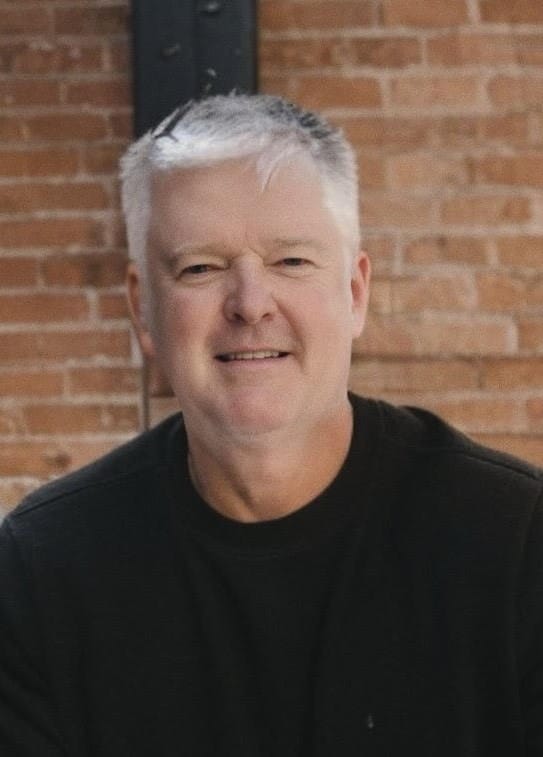
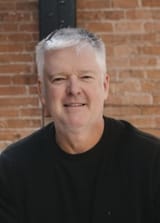
John Peace / Author
John W. Peace II is a fifth-generation farmer from Big Stone Gap, Virginia, where he grew up on his family’s dairy, Clinch Haven Farms, and still lives today. Learn more at www.JohnWPeace.com.